all in one place.
Log what you watch. Rate your favorites. See what friends are into.
Log what you watch. Rate your favorites. See what friends are into.
Director
Where to Watch
Log what you watch. Rate your favorites. See what friends are into.
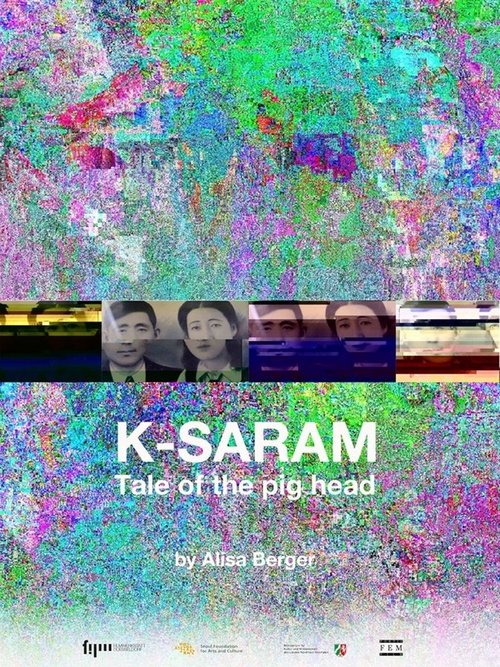
About 500,000 Koreans reside in the former Soviet Union. Most of their ancestors were forced to flee during the Japanese occupation / annexation (1910-1945). The name they gave themselves is Koryo-saram. Their language, Koryo-mar, is descended from the Hamgyöng dialect (province of North Korea) and many other variants of Northeast Korean. The documentary sets up a multi-voice narrative characterized by shamanic rituals, digital glitches, voiceovers, texts and sound panoramas. At the same time inter-subjective and deeply personal, the film recounts migration, the diaspora and death with humor and lightness.
January 1, 2021 · 28m
About 500,000 Koreans reside in the former Soviet Union. Most of their ancestors were forced to flee during the Japanese occupation / annexation (1910-1945). The name they gave themselves is Koryo-saram. Their language, Koryo-mar, is descended from the Hamgyöng dialect (province of North Korea) and many other variants of Northeast Korean. The documentary sets up a multi-voice narrative characterized by shamanic rituals, digital glitches, voiceovers, texts and sound panoramas. At the same time inter-subjective and deeply personal, the film recounts migration, the diaspora and death with humor and lightness.