all in one place.
Log what you watch. Rate your favorites. See what friends are into.
Log what you watch. Rate your favorites. See what friends are into.
Director
Where to Watch
Log what you watch. Rate your favorites. See what friends are into.
Déplacés climatiques : sans toit ni droit
2024 · 53m
Directed by François-Xavier Trégan

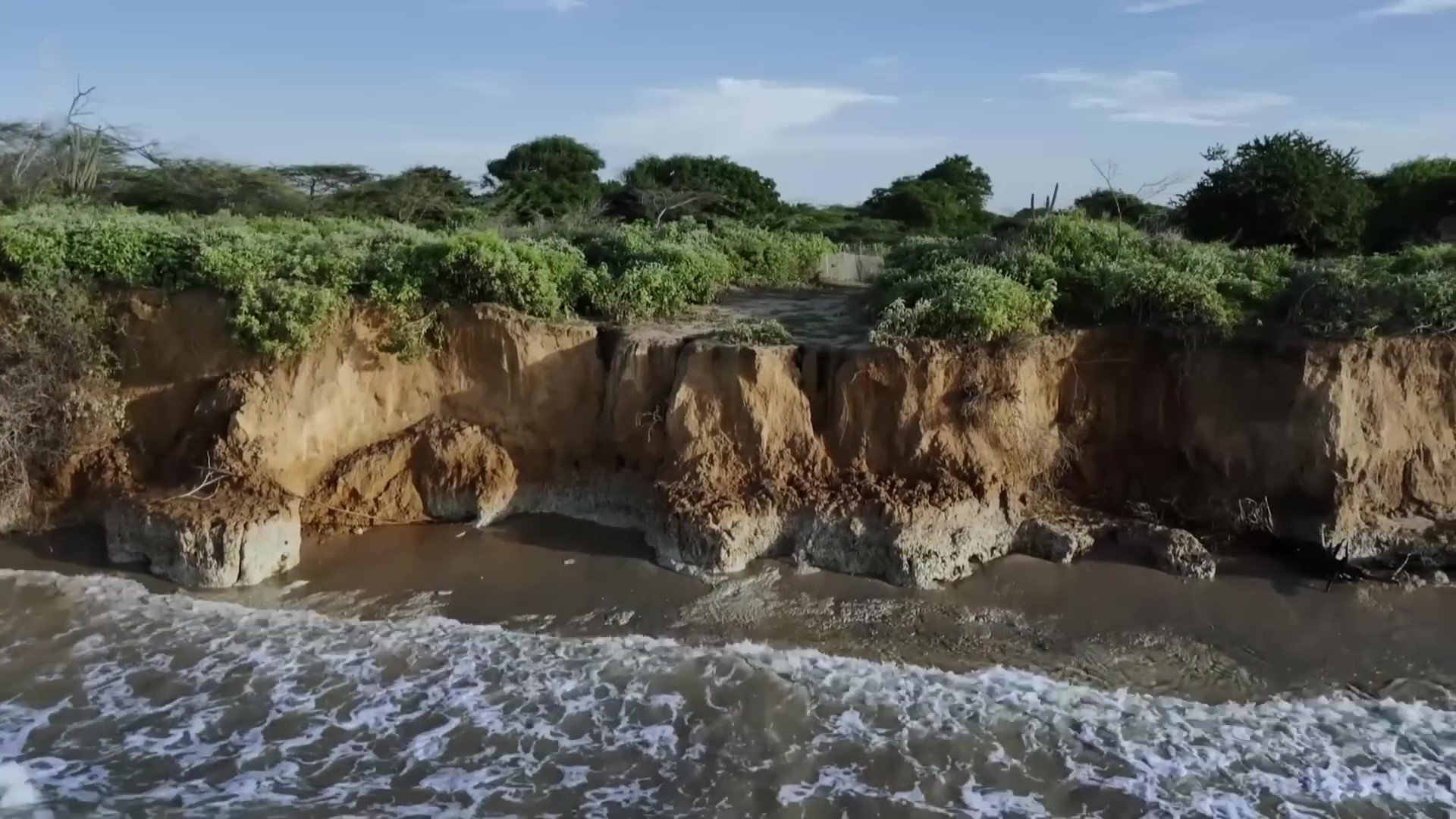
Already more than 30 million people flee their villages, regions or countries every year because of climate change. By 2050, it's estimated there will be between 200 million and 1 billion climate refugees. As extreme weather threatens the lives of hundreds of millions of people, how can the world best respond? Faced with these migrations, the international community seems incapable of agreeing on the definition of a "climate refugee" and suitable compensation for them. But, in the absence of a global response, the countries and regions most affected by the climate change/migration problem are taking the initiative. Climate Refugees: A Global Challenge explores these challenges through the prism of individual human stories and innovative initiatives in Asia, the Pacific and Latin America. In the long term, they could become models for change well beyond their borders.
Déplacés climatiques : sans toit ni droit
June 1, 2024 · 53m
Already more than 30 million people flee their villages, regions or countries every year because of climate change. By 2050, it's estimated there will be between 200 million and 1 billion climate refugees. As extreme weather threatens the lives of hundreds of millions of people, how can the world best respond? Faced with these migrations, the international community seems incapable of agreeing on the definition of a "climate refugee" and suitable compensation for them. But, in the absence of a global response, the countries and regions most affected by the climate change/migration problem are taking the initiative. Climate Refugees: A Global Challenge explores these challenges through the prism of individual human stories and innovative initiatives in Asia, the Pacific and Latin America. In the long term, they could become models for change well beyond their borders.