all in one place.
Log what you watch. Rate your favorites. See what friends are into.
Log what you watch. Rate your favorites. See what friends are into.
Director
Where to Watch
Log what you watch. Rate your favorites. See what friends are into.
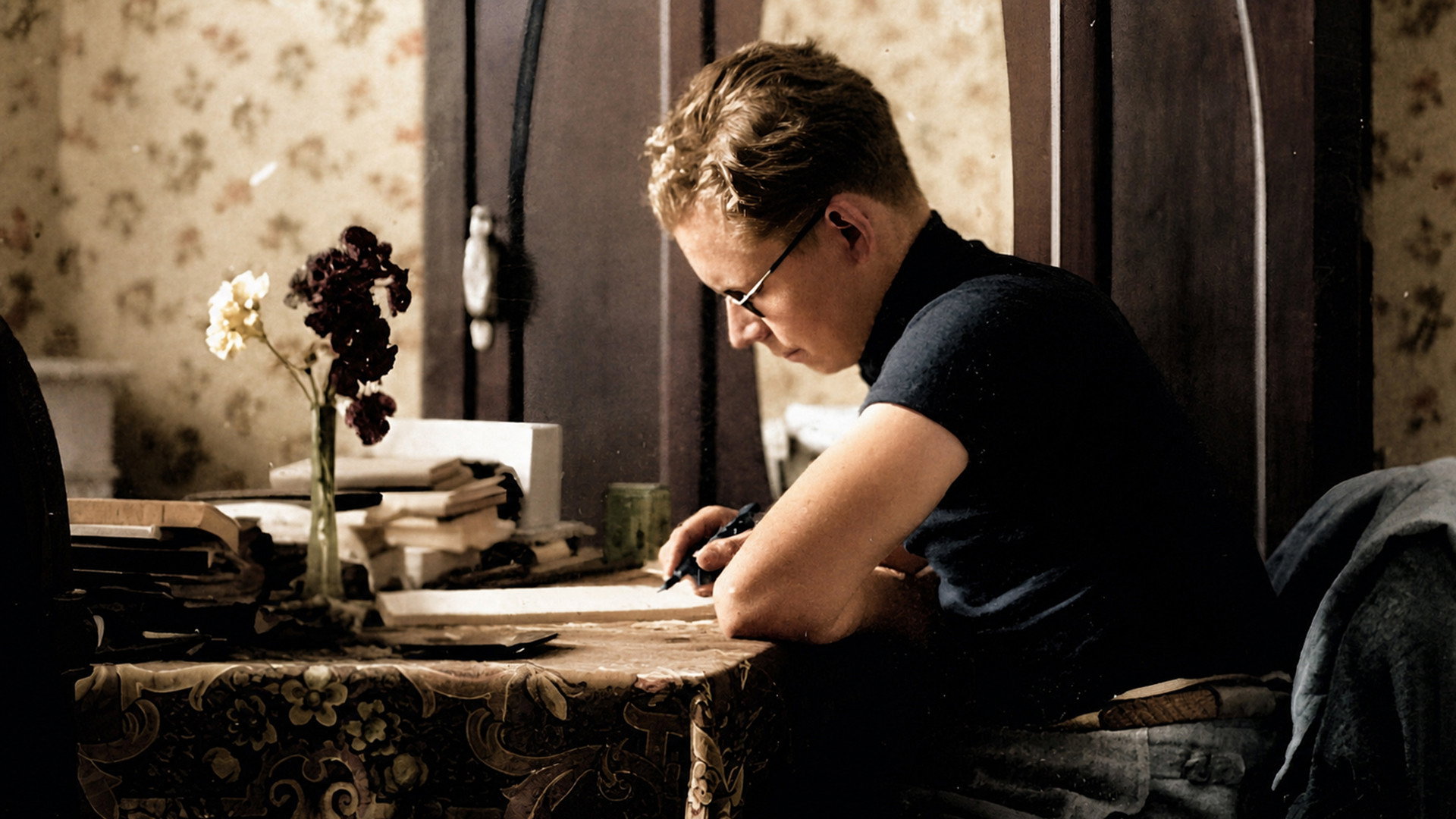
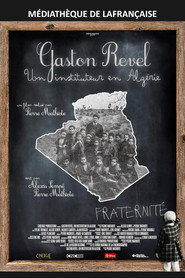
Gaston Revel, un instituteur en Algérie
2021 · 1h 32m
Directed by Pierre Mathiote
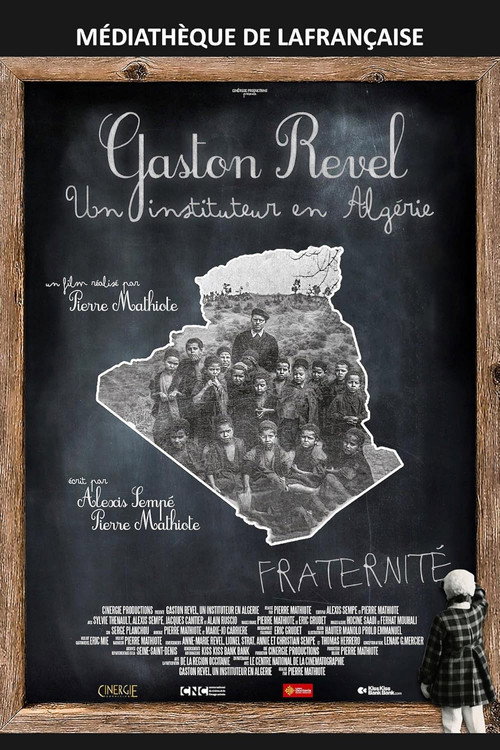
In 1936, Gaston Revel entered the École Normale in Algiers, where he was supposed to learn how to "educate the native." It was also during this time that he began to take an interest in politics: he was drawn to the Popular Front, then to Spanish anarchism, and finally to communism. From 1940 to 1955, he taught in Algeria, first in rural areas, then in Bejaia. He returned to Europe because of the war and landed in Provence in September 1914, following the Allied advance. It was in Bejaia, in 1945, that he became fully committed to the Algerian Communist Party: in 1953, he ran for municipal office in the second electoral district (reserved for Algerians) and sat alongside the Muslims. In 1955, at the beginning of the war, he was forced to leave Algeria against his will. But, like thousands of other "red feet," he returned there in 1962 and resumed his teaching career. From all those years, he left a complete and deeply committed record, many letters, notebooks, and newspaper articles.
Gaston Revel, un instituteur en Algérie
February 28, 2021 · 1h 32m
In 1936, Gaston Revel entered the École Normale in Algiers, where he was supposed to learn how to "educate the native." It was also during this time that he began to take an interest in politics: he was drawn to the Popular Front, then to Spanish anarchism, and finally to communism. From 1940 to 1955, he taught in Algeria, first in rural areas, then in Bejaia. He returned to Europe because of the war and landed in Provence in September 1914, following the Allied advance. It was in Bejaia, in 1945, that he became fully committed to the Algerian Communist Party: in 1953, he ran for municipal office in the second electoral district (reserved for Algerians) and sat alongside the Muslims. In 1955, at the beginning of the war, he was forced to leave Algeria against his will. But, like thousands of other "red feet," he returned there in 1962 and resumed his teaching career. From all those years, he left a complete and deeply committed record, many letters, notebooks, and newspaper articles.