all in one place.
Log what you watch. Rate your favorites. See what friends are into.
Log what you watch. Rate your favorites. See what friends are into.
Director
Where to Watch
Log what you watch. Rate your favorites. See what friends are into.
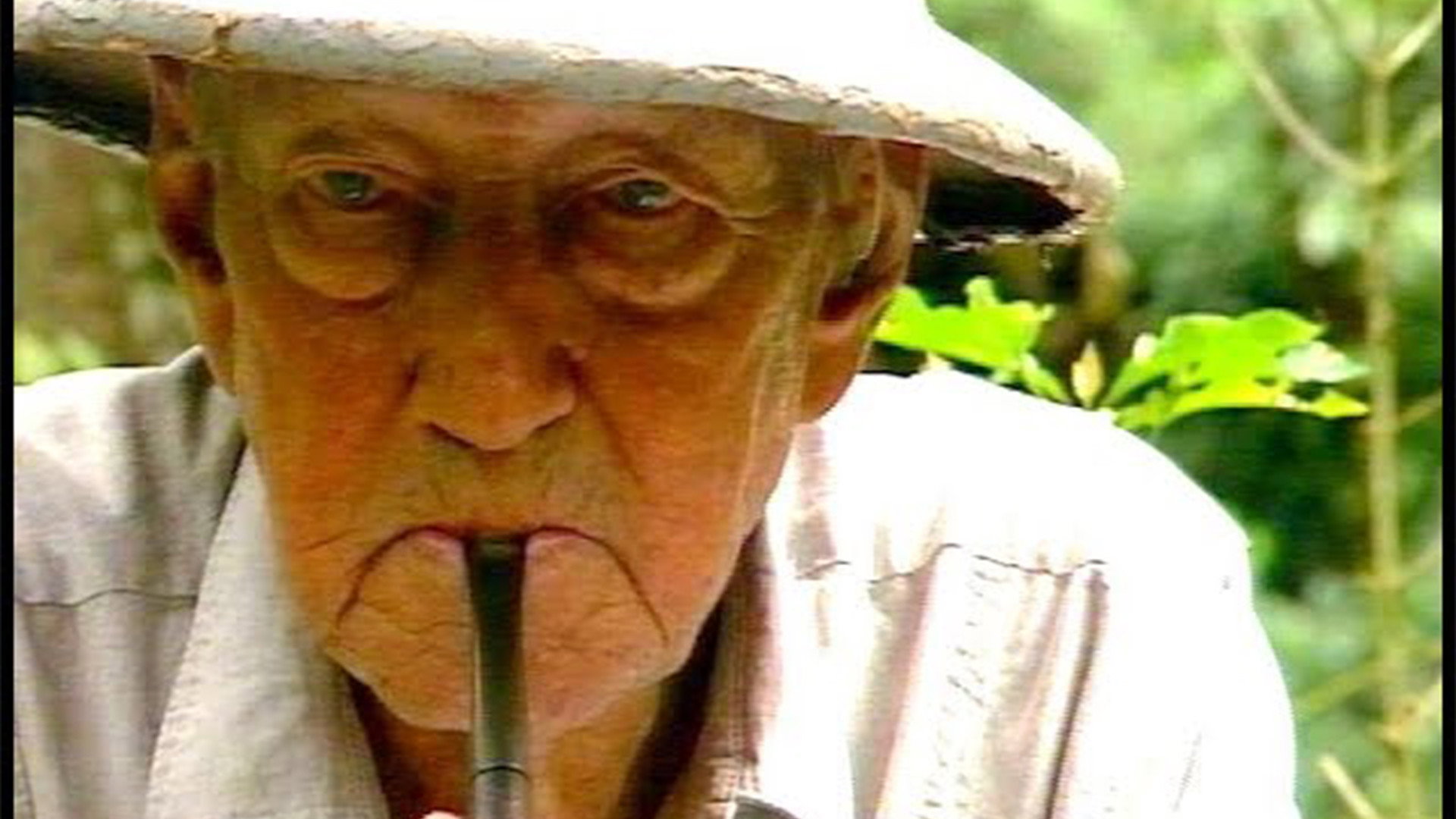
Los Civilizadores - Alemanes en Guatemala
1998
Directed by Uli Stelzner
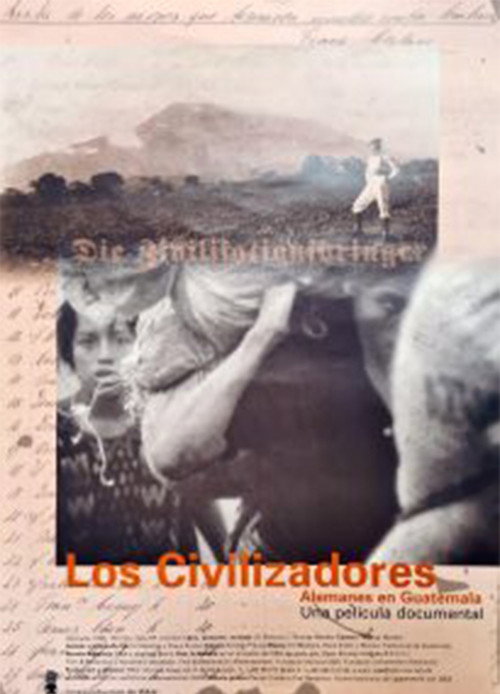
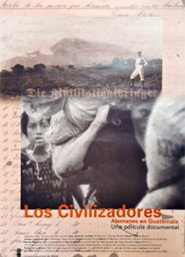
For more than a century, Guatemala has been home to a small yet highly influential German community. Its prosperity began with the coffee boom and has continued, almost uninterrupted, to the present day. Convinced of belonging to a superior culture, its members sought to impose their model of civilization on Guatemala. Elder coffee barons present faded photographs, and through their stories, the history of colonization unfolds. But the film shifts its gaze toward the other, toward the Indigenous people who labor on the plantations. The film portrays several generations of families and, without commentary, presents twentieth-century attitudes that time has relativized but not changed. A journey through questions of power, identity, and civilization. Based on years of extensive research, it offers a new analysis of colonialism and its destructive consequences in Guatemala and Latin America.
Genres
Countries
Guatemala, Germany
Language
Spanish
Directors
Los Civilizadores - Alemanes en Guatemala
January 1, 1998
For more than a century, Guatemala has been home to a small yet highly influential German community. Its prosperity began with the coffee boom and has continued, almost uninterrupted, to the present day. Convinced of belonging to a superior culture, its members sought to impose their model of civilization on Guatemala. Elder coffee barons present faded photographs, and through their stories, the history of colonization unfolds. But the film shifts its gaze toward the other, toward the Indigenous people who labor on the plantations. The film portrays several generations of families and, without commentary, presents twentieth-century attitudes that time has relativized but not changed. A journey through questions of power, identity, and civilization. Based on years of extensive research, it offers a new analysis of colonialism and its destructive consequences in Guatemala and Latin America.