all in one place.
Log what you watch. Rate your favorites. See what friends are into.
Log what you watch. Rate your favorites. See what friends are into.
Director
Where to Watch
Log what you watch. Rate your favorites. See what friends are into.
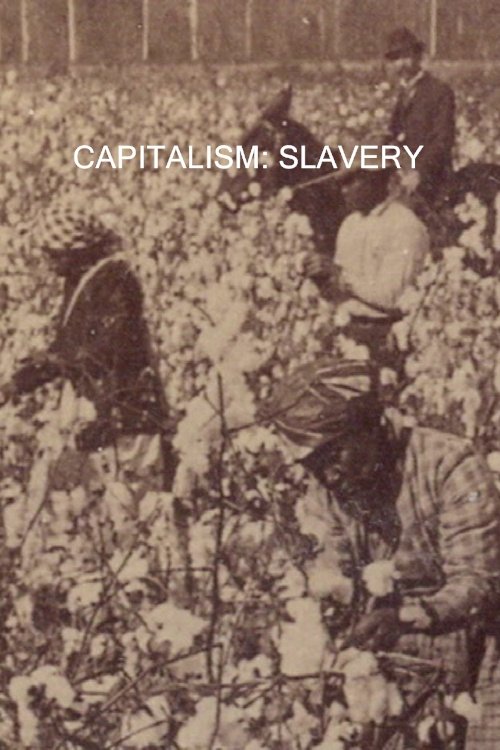
In Capitalism: Slavery, Jacobs uses a Victorian stereograph (a double-photograph) of slaves picking cotton under the watchful eye of a white overseer as the source for this wrenching silent work. Through digital manipulation, Jacobs creates a haunting illusion of depth and movement. It is as if he has "entered" the image and reactivated this historical moment; he moves among the figures and isolates individuals, creating a stuttering, pulsing effect that suggests motion even as it animates stasis.
April 28, 2007 · 3m
In Capitalism: Slavery, Jacobs uses a Victorian stereograph (a double-photograph) of slaves picking cotton under the watchful eye of a white overseer as the source for this wrenching silent work. Through digital manipulation, Jacobs creates a haunting illusion of depth and movement. It is as if he has "entered" the image and reactivated this historical moment; he moves among the figures and isolates individuals, creating a stuttering, pulsing effect that suggests motion even as it animates stasis.