all in one place.
Log what you watch. Rate your favorites. See what friends are into.
Log what you watch. Rate your favorites. See what friends are into.
Director
Where to Watch
Log what you watch. Rate your favorites. See what friends are into.
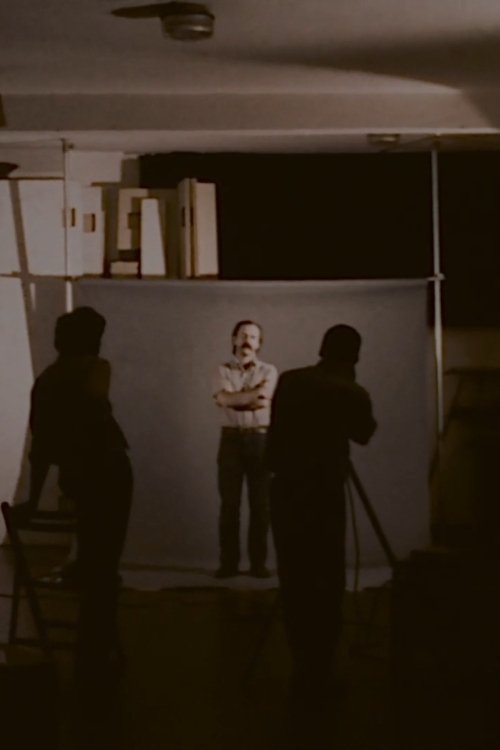
Shot in the span of a few hours at a party held in Milan in 1979, the film takes the form of a reflection on a fragment of a lost youth reality in search of new references. Young people who, emerging from years of intense political activism and profound social and cultural changes (the 70s), are about to enter a new decade (the 80s) lived under the banner of rampantism and hedonism. A document attentive to individual behavior, to original ideas, to communicative intentions that go beyond parched languages. Facce di festa is built by assembling material collected with different cinematographic techniques: hidden camera, behavioral interviews, descriptive images. In the film, there is an attempt to create a delicate but tenacious interference between the author's narration and the viewer's perception. The camera becomes a vehicle for forcing the cinematographic narration by seeking a new space in the presence of the spectator.
January 1, 1980 · 1h 0m
Shot in the span of a few hours at a party held in Milan in 1979, the film takes the form of a reflection on a fragment of a lost youth reality in search of new references. Young people who, emerging from years of intense political activism and profound social and cultural changes (the 70s), are about to enter a new decade (the 80s) lived under the banner of rampantism and hedonism. A document attentive to individual behavior, to original ideas, to communicative intentions that go beyond parched languages. Facce di festa is built by assembling material collected with different cinematographic techniques: hidden camera, behavioral interviews, descriptive images. In the film, there is an attempt to create a delicate but tenacious interference between the author's narration and the viewer's perception. The camera becomes a vehicle for forcing the cinematographic narration by seeking a new space in the presence of the spectator.