all in one place.
Log what you watch. Rate your favorites. See what friends are into.
Log what you watch. Rate your favorites. See what friends are into.
Director
Where to Watch
Log what you watch. Rate your favorites. See what friends are into.
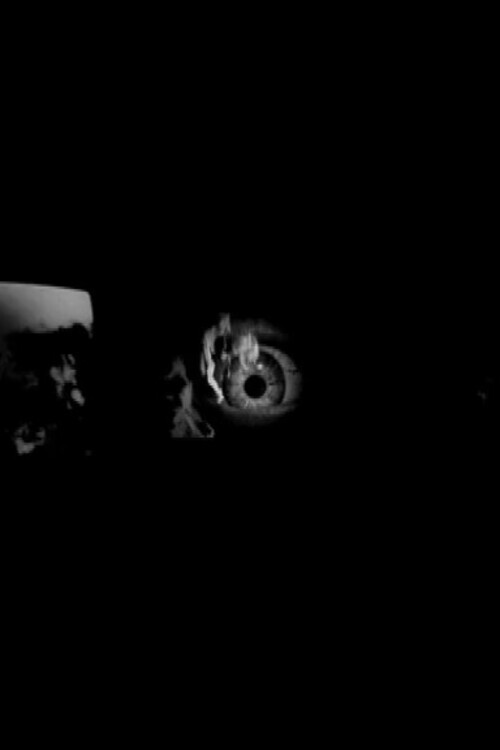
Profanaciones seems to stem from the suspicion that you can hear what you see: a piano, a foliage moved by the wind, the knocking of a door, but that, at the same time, you cannot see what you hear, that the look can hear, but the ear cannot see, something that is expressed directly in the subtitle, The ears do not have eyelids. In other words, part of the assumption that "there is no reciprocity between sight and hearing." Hence, generally, there is much more music that is created around the cinema or the image than its opposite, cinema that is generated from music.
January 1, 2008 · 20m
Profanaciones seems to stem from the suspicion that you can hear what you see: a piano, a foliage moved by the wind, the knocking of a door, but that, at the same time, you cannot see what you hear, that the look can hear, but the ear cannot see, something that is expressed directly in the subtitle, The ears do not have eyelids. In other words, part of the assumption that "there is no reciprocity between sight and hearing." Hence, generally, there is much more music that is created around the cinema or the image than its opposite, cinema that is generated from music.