all in one place.
Log what you watch. Rate your favorites. See what friends are into.
Log what you watch. Rate your favorites. See what friends are into.
Director
Where to Watch
Log what you watch. Rate your favorites. See what friends are into.
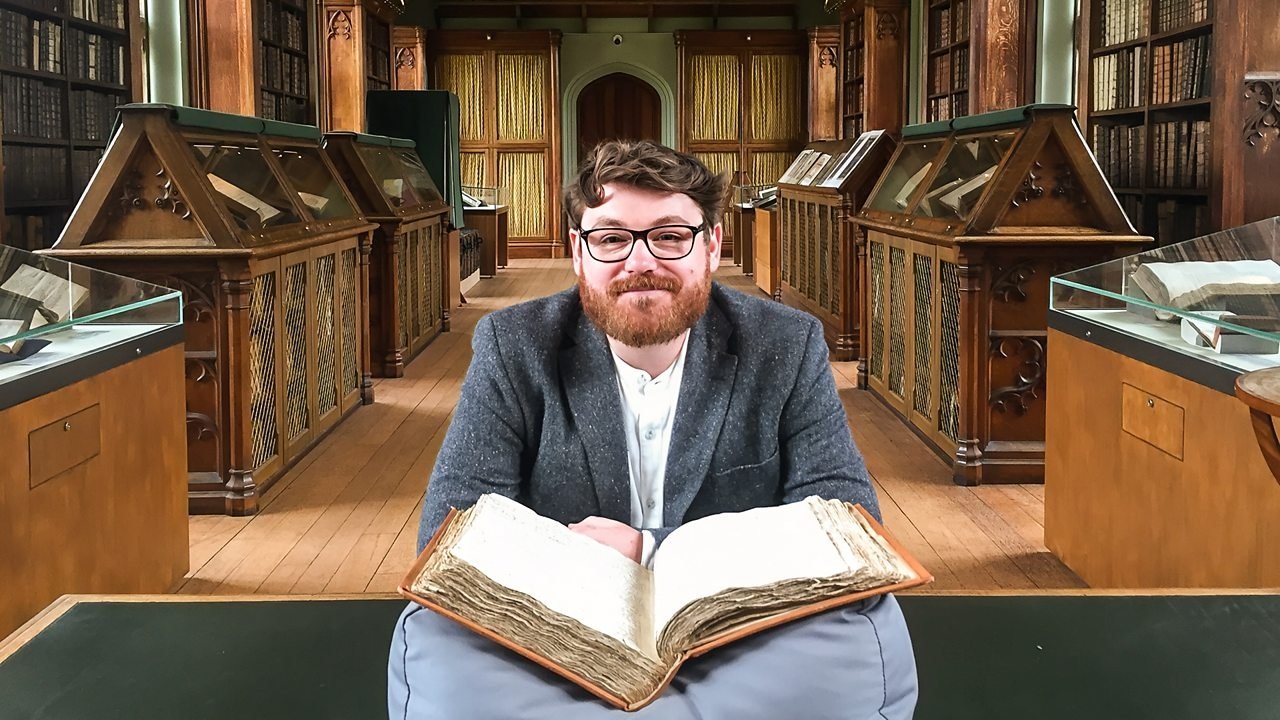
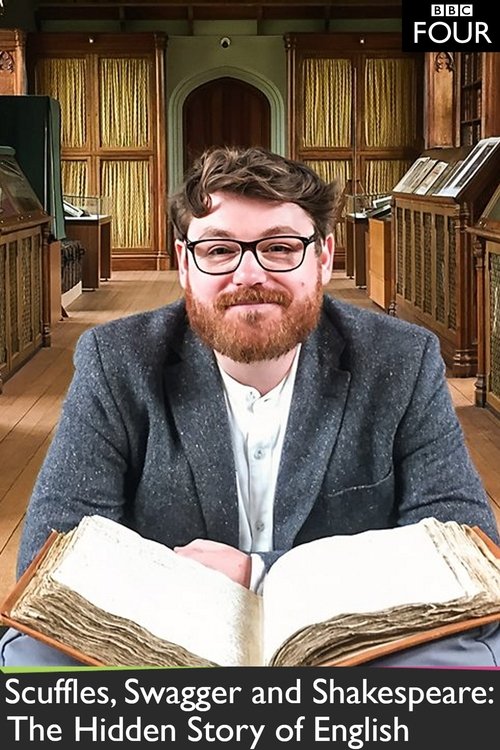
Shakespeare is often credited with revolutionising English, but is the real story more complex?
The English language is spoken by 450 million people around the globe, with a further one billion using it as a second language. It is arguably Britain’s most famous export. The man often given credit for the global triumph of English, and the invention of many of our modern words, is William Shakespeare. Shakespeare’s plays first hit the stage four centuries ago, as the explorers of Elizabethan England were laying the foundations for the British empire. It was this empire that would carry English around the world. Language historian and BBC New Generation Thinker Dr John Gallagher asks whether the real story of how English became a global linguistic superpower is more complex.
November 12, 2019 · 29m
Shakespeare is often credited with revolutionising English, but is the real story more complex?
The English language is spoken by 450 million people around the globe, with a further one billion using it as a second language. It is arguably Britain’s most famous export. The man often given credit for the global triumph of English, and the invention of many of our modern words, is William Shakespeare. Shakespeare’s plays first hit the stage four centuries ago, as the explorers of Elizabethan England were laying the foundations for the British empire. It was this empire that would carry English around the world. Language historian and BBC New Generation Thinker Dr John Gallagher asks whether the real story of how English became a global linguistic superpower is more complex.