all in one place.
Log what you watch. Rate your favorites. See what friends are into.
Log what you watch. Rate your favorites. See what friends are into.
Director
Where to Watch
Log what you watch. Rate your favorites. See what friends are into.
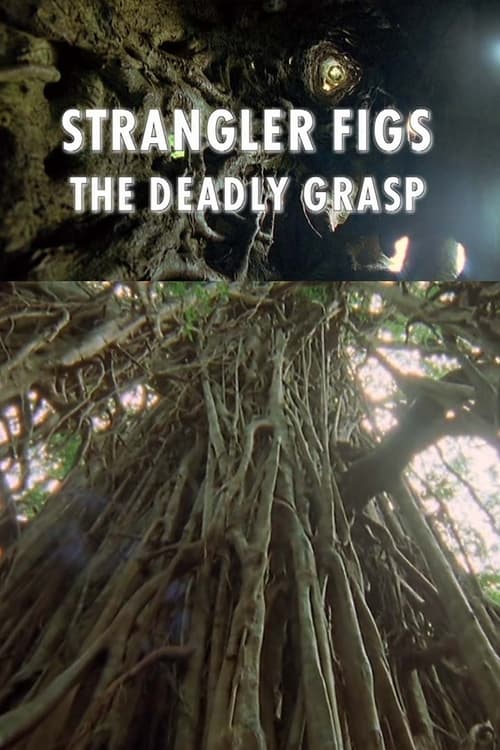
Some ficus species are strangler figs. The seeds are eaten by birds and pass through the digestive tract undamaged. If they are excreted on the branch of a tree in the feces of the birds and remain stuck there thanks to the mistletoe-like slimy seed coat, the seeds germinate on the branch. The fig plants grow directly there, so they are initially epiphytes. But their aerial roots grow down to the ground. When the roots reach the ground, the figs begin to grow faster and form many more aerial roots. They gradually enclose their supporting or host tree, which eventually dies, forming a cavity inside the strangler fig. The strangler fig also benefits from the nutrients released during the decomposition of the dead supporting tree.
January 1, 2000 · 43m
Some ficus species are strangler figs. The seeds are eaten by birds and pass through the digestive tract undamaged. If they are excreted on the branch of a tree in the feces of the birds and remain stuck there thanks to the mistletoe-like slimy seed coat, the seeds germinate on the branch. The fig plants grow directly there, so they are initially epiphytes. But their aerial roots grow down to the ground. When the roots reach the ground, the figs begin to grow faster and form many more aerial roots. They gradually enclose their supporting or host tree, which eventually dies, forming a cavity inside the strangler fig. The strangler fig also benefits from the nutrients released during the decomposition of the dead supporting tree.